 Image 1 of 2
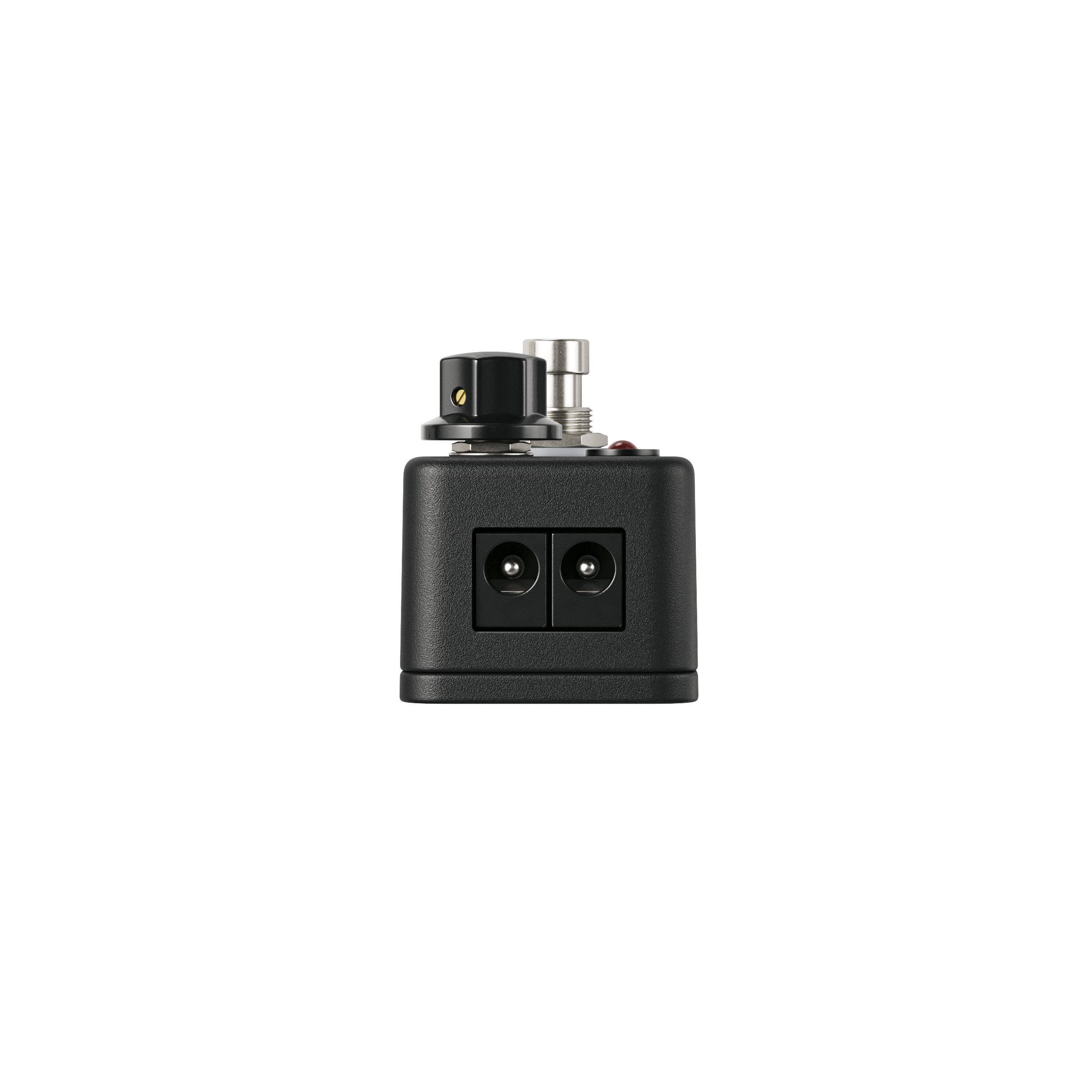 Image 2 of 2
Pedal Type: Voltage Sag Power Utility
Controls: Voltage Control Knob
Bypass Layout: True Bypass Switching
Power Requirements: 9VDC to 18VDC Input / 1.25VDC to 7.5VDC Output (Center Negative Only)
Current Draw: 12 mA (Device draws 10 mA internal overhead in addition to target pedal load)
Dimensions: 3.6” × 1.5” × 1.0” (91.4 mm x 38.1 mm x 25.4 mm)
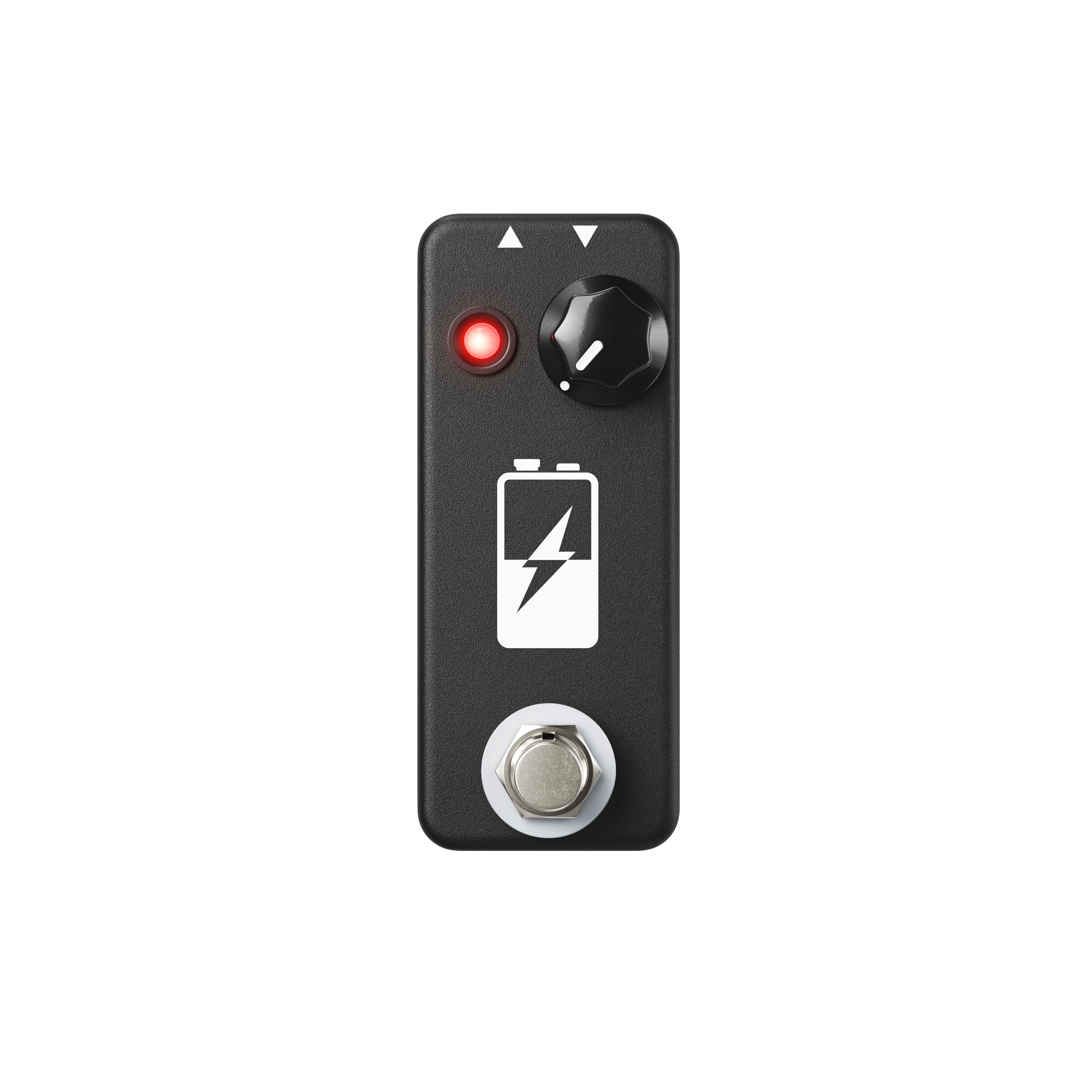
The JHS Volture introduces a reliable hardware solution for guitarists seeking the highly coveted, erratic tonal responses of a dying 9V battery without the hassle of draining physical cells. Functioning as a precise inline power attenuator, this utility device slots directly between an isolated power supply lane and an external analog effect unit. By altering the voltage flowing into simple, legacy audio circuits, the unit forces components like germanium and silicon transistors to behave inefficiently. The resulting delivery shifts standard, linear headroom into a highly expressive landscape of compressed textures, rendering specialized alterations completely unnecessary for modern stage setups.
Engineered to seamlessly integrate into professional power distribution systems, the entirely analog signal path accepts 9VDC, 12VDC, or 18VDC inputs while providing a continuously variable output range from 7.5VDC down to 1.25VDC. Fine-tuning the power starvation is adjusted via the single master control knob, where counterclockwise adjustment restricts current delivery to choke the destination pedal's dynamic response. To ensure accurate visual indexing under stage lighting, the integrated status LED dims dynamically in real time to match the voltage output level. Once power drops below the critical operating threshold of the connected circuit, the LED deactivates entirely.
Placing the utility unit directly before a vintage fuzz circuit transforms standard saturated clipping into a highly textured, sputtery effect. Lowering the voltage starves the bias network, causing the audio waveform to clamp shut abruptly as notes decay. This behavior eliminates natural sustain in favor of a sharp, gated rhythmic articulation that slices cleanly through complex studio mixes.
Connecting the attenuation hardware to a standard low-gain overdrive pedal exposes unique, lo-fi characteristics hidden within analog clipping structures. Starving an overdrive's operational amplifiers introduces asymmetrical power clipping, yielding a lo-fi grit and a unique, broken-speaker sag that reacts dynamically to variations in pick attack.
WARNING: The JHS Volture is strictly designed for use with fully analog audio circuitry pulling less than 50 mA of current. It must never be paired with digital processing units, microprocessor-driven switching logic, or computerized multi-effects, as insufficient input voltage can cause fatal system crashes or permanent hardware damage to digital components.
Pedal Type: Voltage Sag Power Utility
Controls: Voltage Control Knob
Bypass Layout: True Bypass Switching
Power Requirements: 9VDC to 18VDC Input / 1.25VDC to 7.5VDC Output (Center Negative Only)
Current Draw: 12 mA (Device draws 10 mA internal overhead in addition to target pedal load)
Dimensions: 3.6” × 1.5” × 1.0” (91.4 mm x 38.1 mm x 25.4 mm)
The JHS Volture introduces a reliable hardware solution for guitarists seeking the highly coveted, erratic tonal responses of a dying 9V battery without the hassle of draining physical cells. Functioning as a precise inline power attenuator, this utility device slots directly between an isolated power supply lane and an external analog effect unit. By altering the voltage flowing into simple, legacy audio circuits, the unit forces components like germanium and silicon transistors to behave inefficiently. The resulting delivery shifts standard, linear headroom into a highly expressive landscape of compressed textures, rendering specialized alterations completely unnecessary for modern stage setups.
Engineered to seamlessly integrate into professional power distribution systems, the entirely analog signal path accepts 9VDC, 12VDC, or 18VDC inputs while providing a continuously variable output range from 7.5VDC down to 1.25VDC. Fine-tuning the power starvation is adjusted via the single master control knob, where counterclockwise adjustment restricts current delivery to choke the destination pedal's dynamic response. To ensure accurate visual indexing under stage lighting, the integrated status LED dims dynamically in real time to match the voltage output level. Once power drops below the critical operating threshold of the connected circuit, the LED deactivates entirely.
Placing the utility unit directly before a vintage fuzz circuit transforms standard saturated clipping into a highly textured, sputtery effect. Lowering the voltage starves the bias network, causing the audio waveform to clamp shut abruptly as notes decay. This behavior eliminates natural sustain in favor of a sharp, gated rhythmic articulation that slices cleanly through complex studio mixes.
Connecting the attenuation hardware to a standard low-gain overdrive pedal exposes unique, lo-fi characteristics hidden within analog clipping structures. Starving an overdrive's operational amplifiers introduces asymmetrical power clipping, yielding a lo-fi grit and a unique, broken-speaker sag that reacts dynamically to variations in pick attack.
WARNING: The JHS Volture is strictly designed for use with fully analog audio circuitry pulling less than 50 mA of current. It must never be paired with digital processing units, microprocessor-driven switching logic, or computerized multi-effects, as insufficient input voltage can cause fatal system crashes or permanent hardware damage to digital components.