 Image 1 of 5
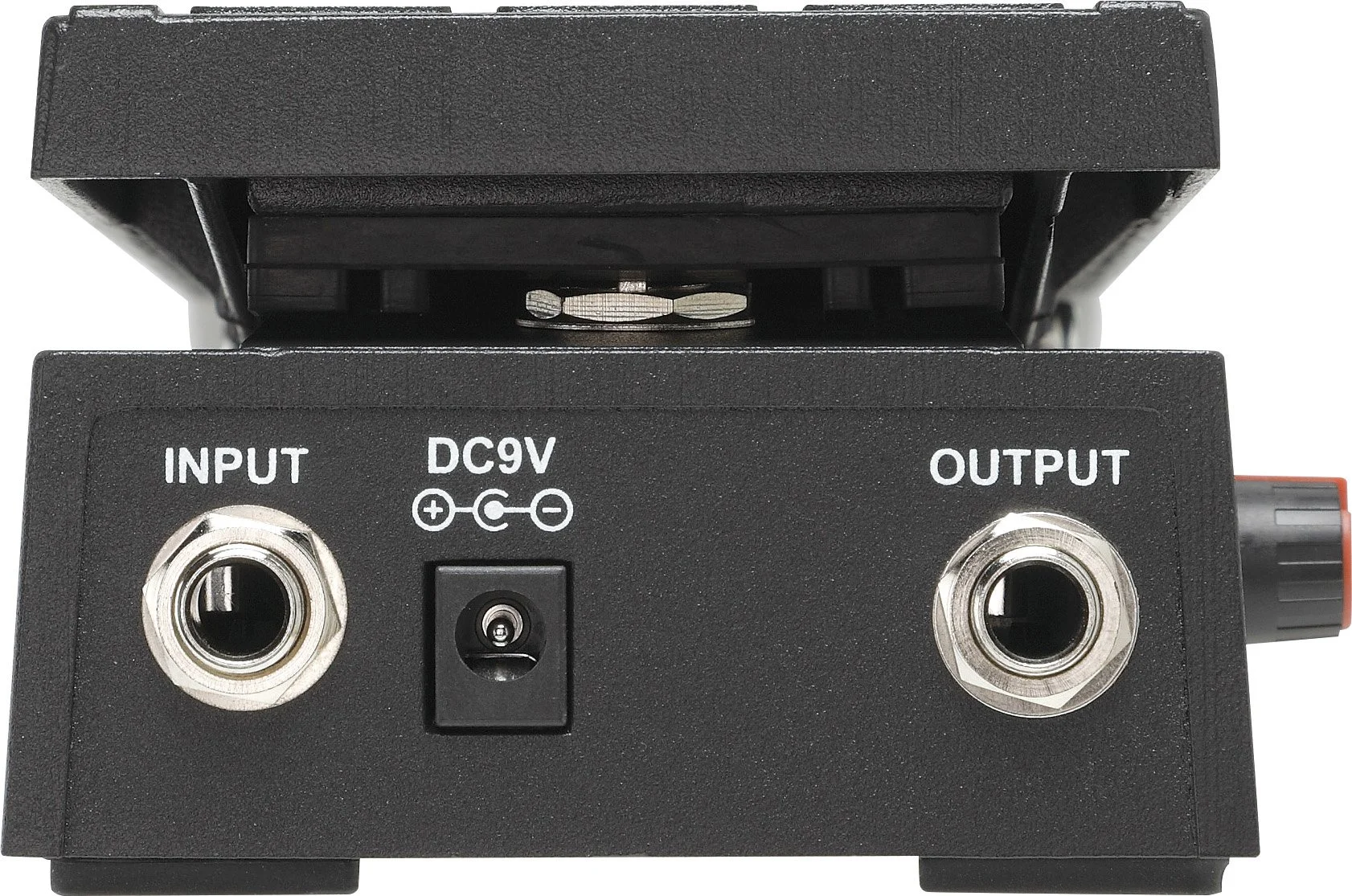 Image 2 of 5
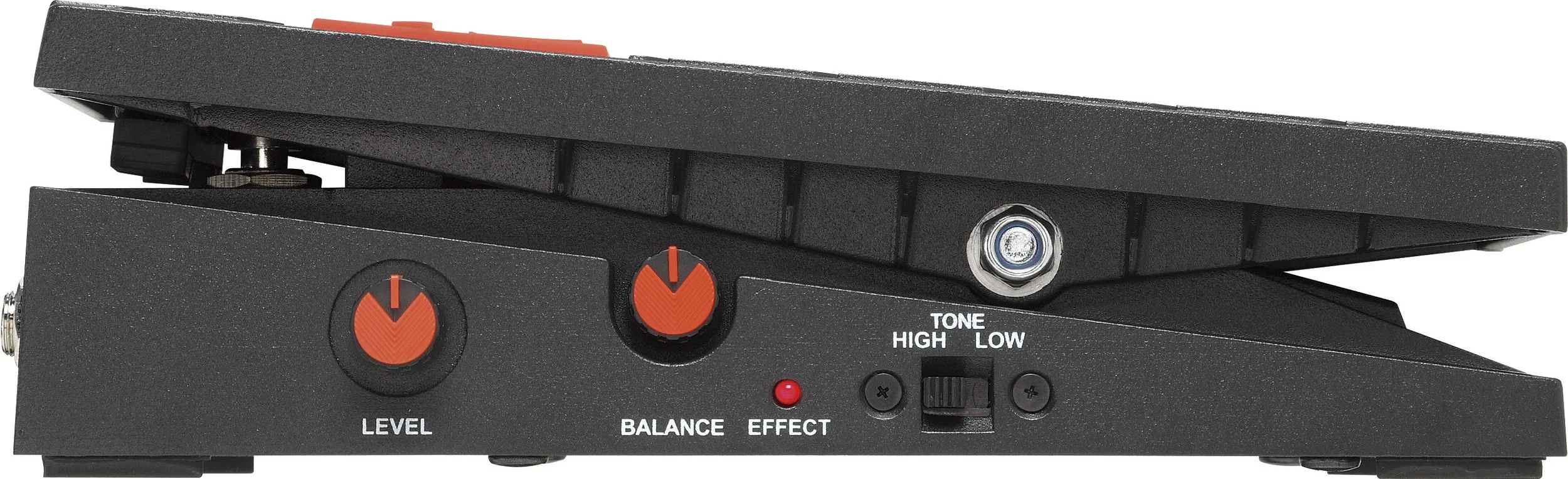 Image 3 of 5
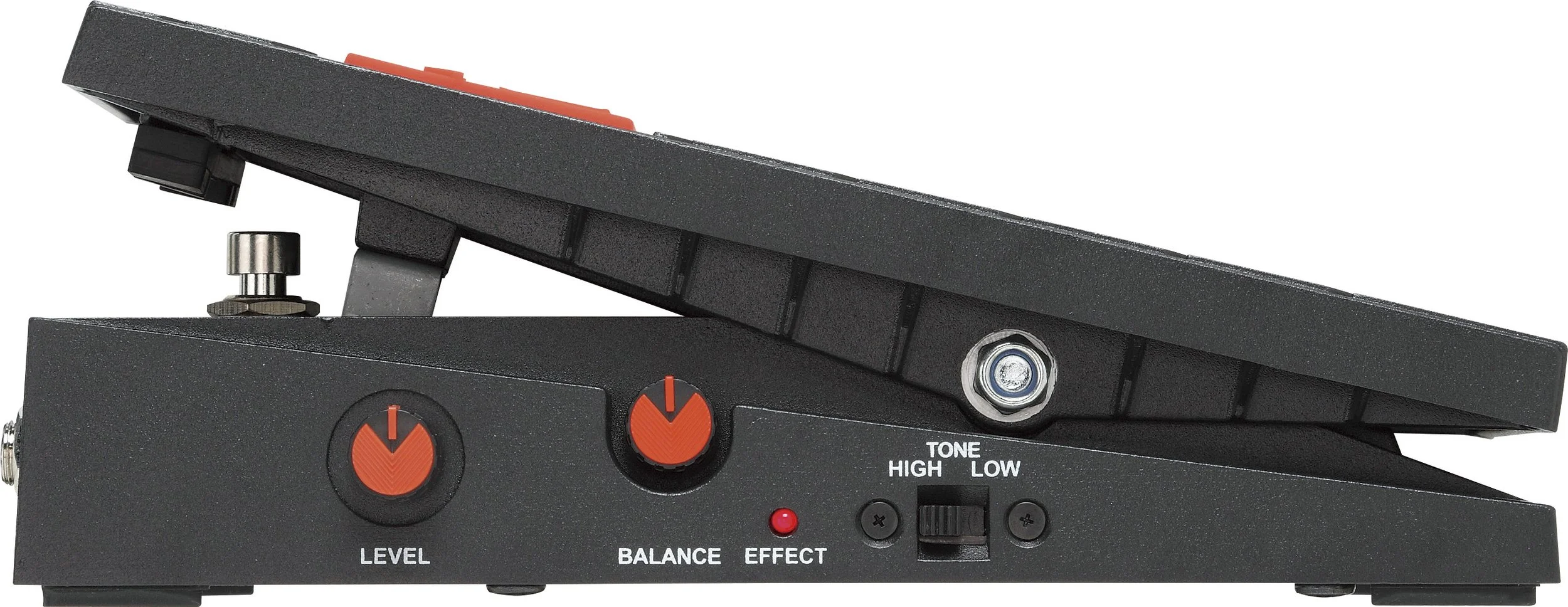 Image 4 of 5
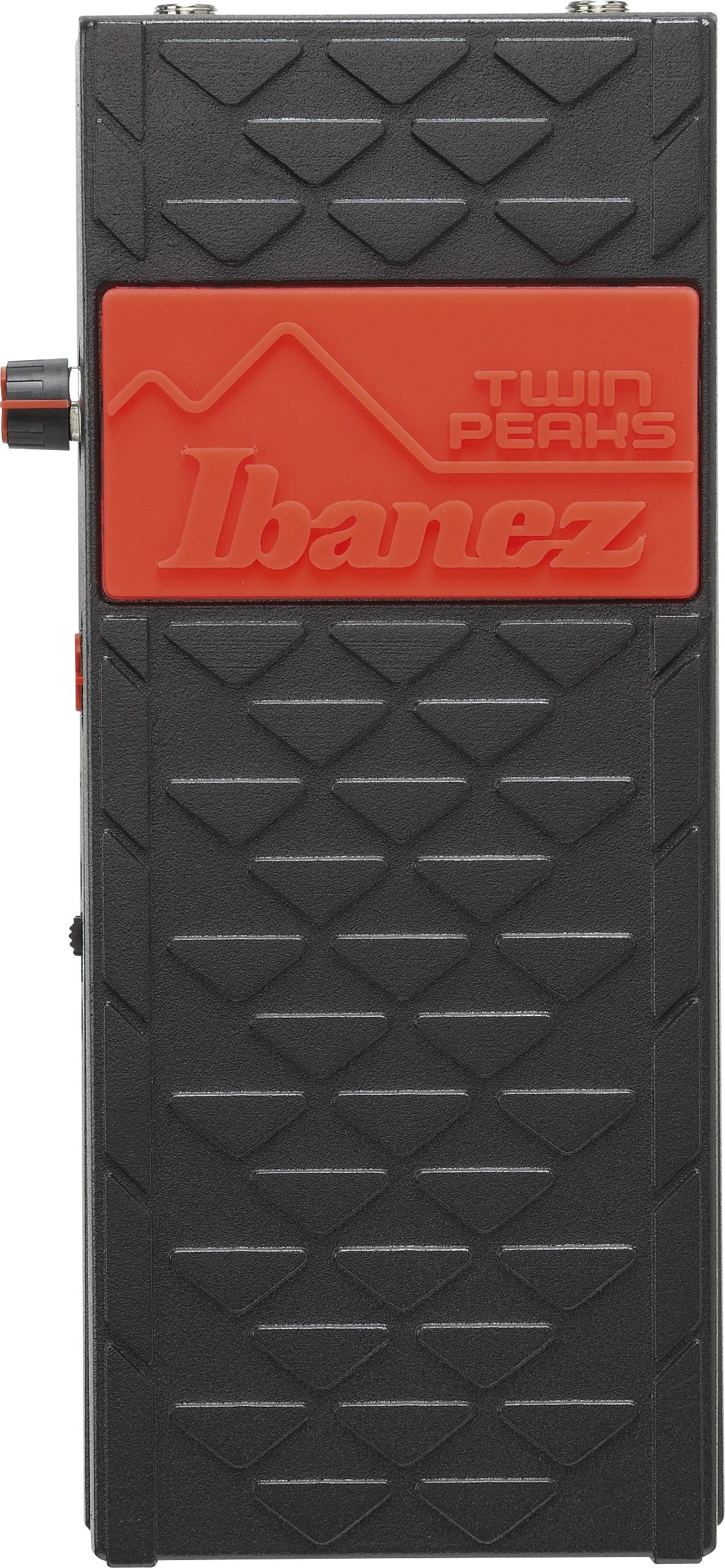 Image 5 of 5
Pedal Type: Dual-peak analog inductor wah-wah filter pedal
Frequency Range: Dual resonances with switchable limits; High mode sweeps from 670 Hz to 3 kHz (high peak) and 300 Hz to 1 kHz (low peak); Low mode sweeps from 440 Hz to 2 kHz (high peak) and 220 Hz to 750 Hz (low peak)
Boost/Cut Range: Integrated master output level control delivering up to +6 dB of clean signal boost at maximum settings
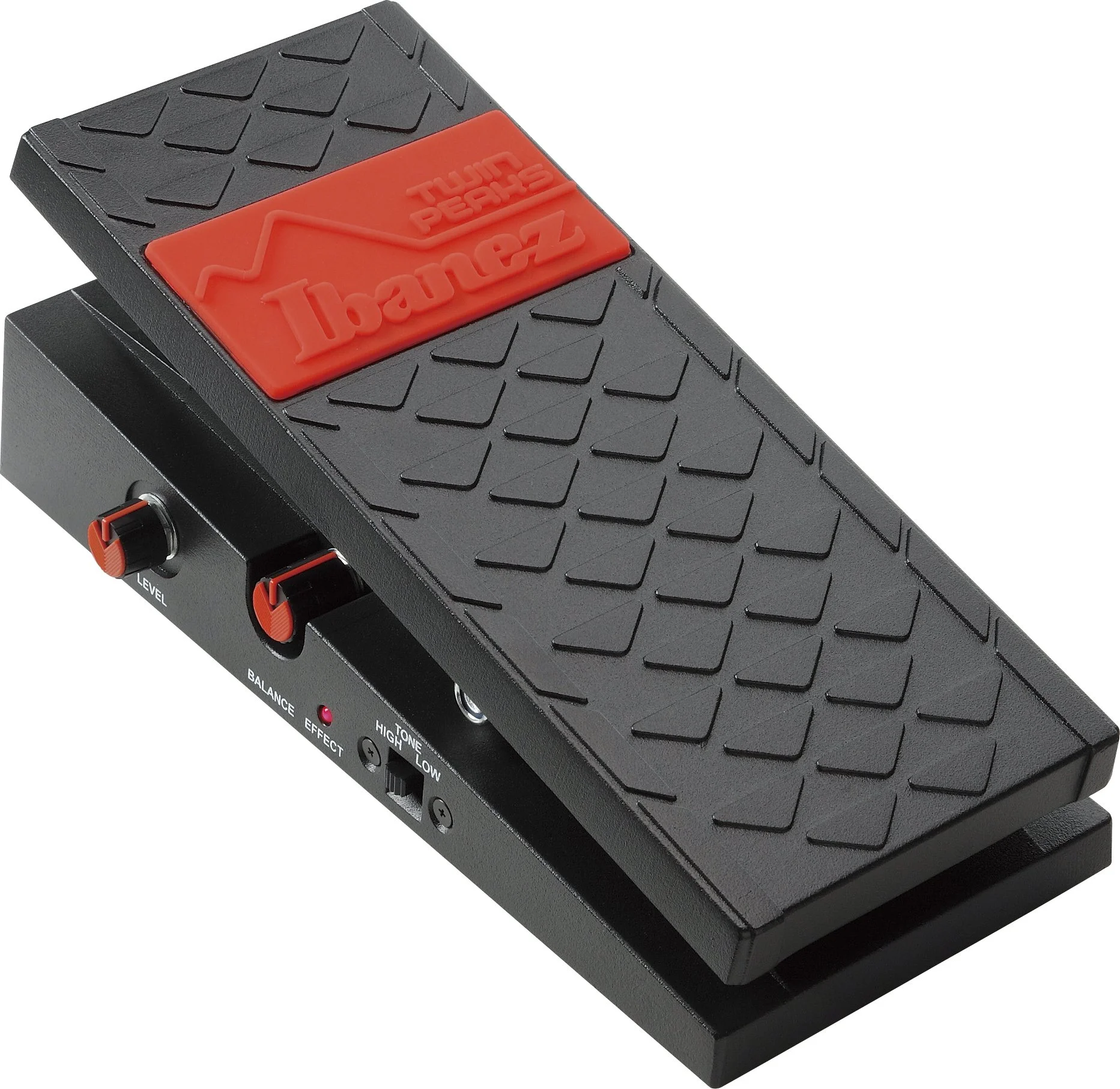
Controls: 1 side-mounted rotary Balance knob, 1 side-mounted Master Level knob, 1 side-mounted Tone mode toggle switch (High/Low), and 1 internal adjustable Q control
Circuitry & Headroom: 100% analog signal path utilizing proprietary dual inductor circuit architecture for simultaneous dual-resonance sweeps
Hardware & Bypass: Heavy-duty die-cast metal enclosure finished in black with a mechanical under-treadle switch and True Bypass routing
I/O & Power Profile: 1/4-inch mono TS input, 1/4-inch mono TS output; runs on a standard 9V DC negative-center external supply or a single 9V block battery drawing a lean 15 mA
The core engineering of this unit transitions beyond conventional single-resonance filters by deploying a cutting-edge dual inductor circuit layout. Rather than tracking a singular sweeping frequency peak across the treadle movement, the parallel dual-inductor matrix generates two distinct filter resonances simultaneously—one focused in a lower-mid register and one positioned in a higher treble band. This parallel design allows your signal to retain thick foundational note values while concurrently tracking sharp harmonic overtones. The side-mounted Balance knob controls the mix ratio of these two resonances, turning counter-clockwise to isolate a biting traditional peak, or clockwise to blend in a growling, throatier low-frequency filter trait.
The filter path is modified via a side-mounted Tone toggle switch that re-scales the entire operational sweep layout into two distinct frequency brackets. Flipping the switch to High mode shifts the upper resonance from 670 Hz up to 3 kHz and the lower peak from 300 Hz to 1 kHz, carving out an aggressive, modern top-end accentuation. Conversely, selecting Low mode drops the ranges back to traditional constraints, anchoring the higher sweep between 440 Hz and 2 kHz while tracking the sub-filter from 220 Hz down to 750 Hz. This frequency scaling works alongside an adjustable Q network to ensure that your tracking lines maintain exact focus, eliminating harsh clipping artifacts or piercing squeals when pushing into high-gain preamps.
To combat the common issue of perceptual volume drops or impedance choke points when engaging a heavy wah effect, the pedal integrates an independent side-mounted Master Level pot. At its center 12 o'clock detent, the active buffer circuit rests at absolute unity gain; turning it clockwise accesses up to +6 dB of clean output boost. Positioned at the front of a pedalboard chain, this boost forces downstream overdrive, distortion, or fuzz circuits into thick harmonic compression, creating highly expressive solo tones. The mechanical True Bypass switching array maps your dry tone completely away from the board when disengaged, ensuring that complex pedalboard networks maintain pristine top-end definition.
To ensure optimal filtering response and protect the dual internal analog inductor network, this unit must be powered exclusively by a high-quality, regulated 9V DC external adapter with a center-negative barrel plug (5.5mm x 2.1mm) or a single standard 9V battery. The analog circuitry functions with an incredibly lean current consumption profile, pulling a maximum of 15 mA at 9V DC. Exceeding the specified voltage thresholds or connecting unregulated AC-output power bricks will cause immediate thermal breakdown within the filtering network, voiding the factory warranty. Always disconnect the input jack when storing the pedal on battery power to prevent unnecessary drain on the internal battery circuit.
Pedal Type: Dual-peak analog inductor wah-wah filter pedal
Frequency Range: Dual resonances with switchable limits; High mode sweeps from 670 Hz to 3 kHz (high peak) and 300 Hz to 1 kHz (low peak); Low mode sweeps from 440 Hz to 2 kHz (high peak) and 220 Hz to 750 Hz (low peak)
Boost/Cut Range: Integrated master output level control delivering up to +6 dB of clean signal boost at maximum settings
Controls: 1 side-mounted rotary Balance knob, 1 side-mounted Master Level knob, 1 side-mounted Tone mode toggle switch (High/Low), and 1 internal adjustable Q control
Circuitry & Headroom: 100% analog signal path utilizing proprietary dual inductor circuit architecture for simultaneous dual-resonance sweeps
Hardware & Bypass: Heavy-duty die-cast metal enclosure finished in black with a mechanical under-treadle switch and True Bypass routing
I/O & Power Profile: 1/4-inch mono TS input, 1/4-inch mono TS output; runs on a standard 9V DC negative-center external supply or a single 9V block battery drawing a lean 15 mA
The core engineering of this unit transitions beyond conventional single-resonance filters by deploying a cutting-edge dual inductor circuit layout. Rather than tracking a singular sweeping frequency peak across the treadle movement, the parallel dual-inductor matrix generates two distinct filter resonances simultaneously—one focused in a lower-mid register and one positioned in a higher treble band. This parallel design allows your signal to retain thick foundational note values while concurrently tracking sharp harmonic overtones. The side-mounted Balance knob controls the mix ratio of these two resonances, turning counter-clockwise to isolate a biting traditional peak, or clockwise to blend in a growling, throatier low-frequency filter trait.
The filter path is modified via a side-mounted Tone toggle switch that re-scales the entire operational sweep layout into two distinct frequency brackets. Flipping the switch to High mode shifts the upper resonance from 670 Hz up to 3 kHz and the lower peak from 300 Hz to 1 kHz, carving out an aggressive, modern top-end accentuation. Conversely, selecting Low mode drops the ranges back to traditional constraints, anchoring the higher sweep between 440 Hz and 2 kHz while tracking the sub-filter from 220 Hz down to 750 Hz. This frequency scaling works alongside an adjustable Q network to ensure that your tracking lines maintain exact focus, eliminating harsh clipping artifacts or piercing squeals when pushing into high-gain preamps.
To combat the common issue of perceptual volume drops or impedance choke points when engaging a heavy wah effect, the pedal integrates an independent side-mounted Master Level pot. At its center 12 o'clock detent, the active buffer circuit rests at absolute unity gain; turning it clockwise accesses up to +6 dB of clean output boost. Positioned at the front of a pedalboard chain, this boost forces downstream overdrive, distortion, or fuzz circuits into thick harmonic compression, creating highly expressive solo tones. The mechanical True Bypass switching array maps your dry tone completely away from the board when disengaged, ensuring that complex pedalboard networks maintain pristine top-end definition.
To ensure optimal filtering response and protect the dual internal analog inductor network, this unit must be powered exclusively by a high-quality, regulated 9V DC external adapter with a center-negative barrel plug (5.5mm x 2.1mm) or a single standard 9V battery. The analog circuitry functions with an incredibly lean current consumption profile, pulling a maximum of 15 mA at 9V DC. Exceeding the specified voltage thresholds or connecting unregulated AC-output power bricks will cause immediate thermal breakdown within the filtering network, voiding the factory warranty. Always disconnect the input jack when storing the pedal on battery power to prevent unnecessary drain on the internal battery circuit.