 Image 1 of 3
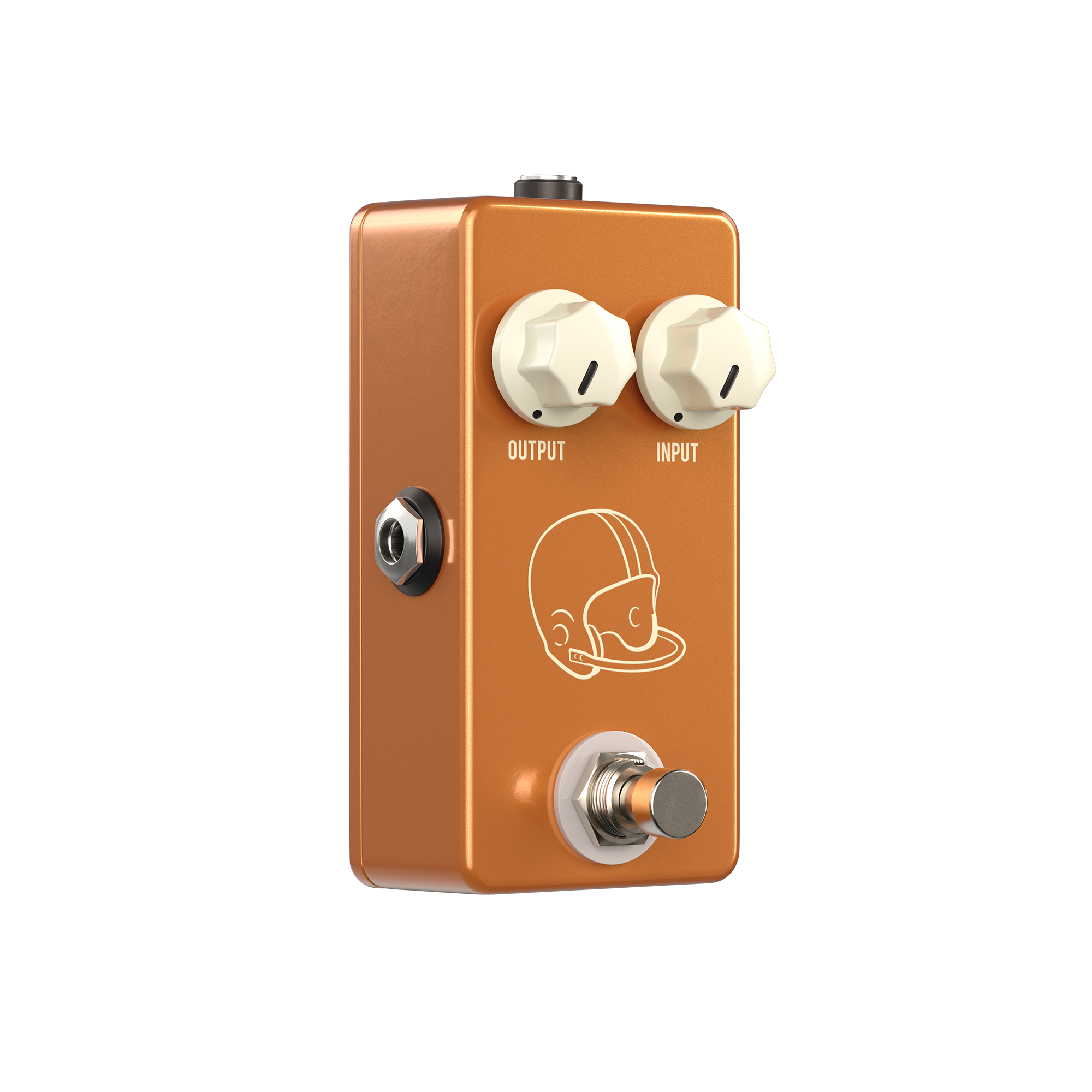 Image 2 of 3
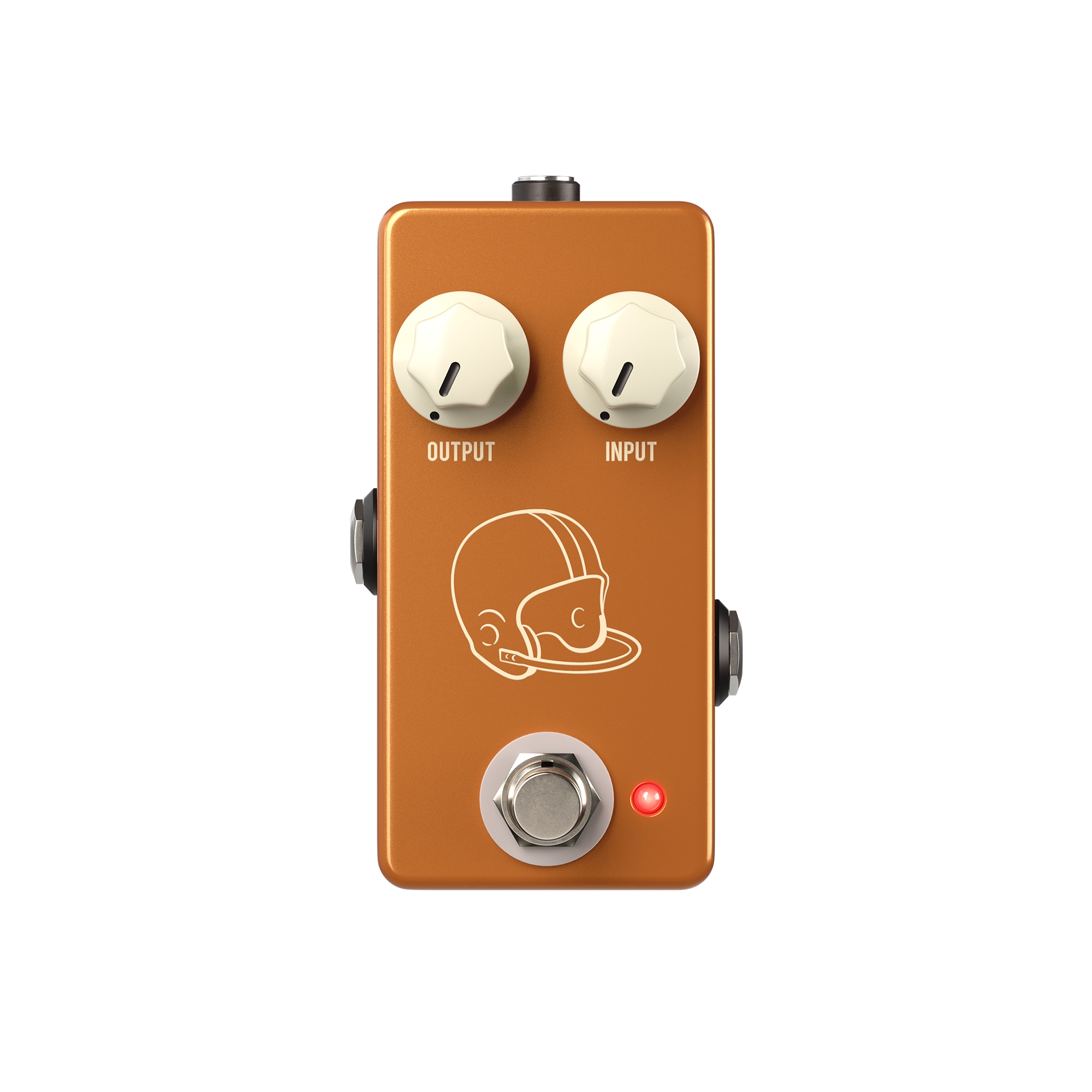 Image 3 of 3
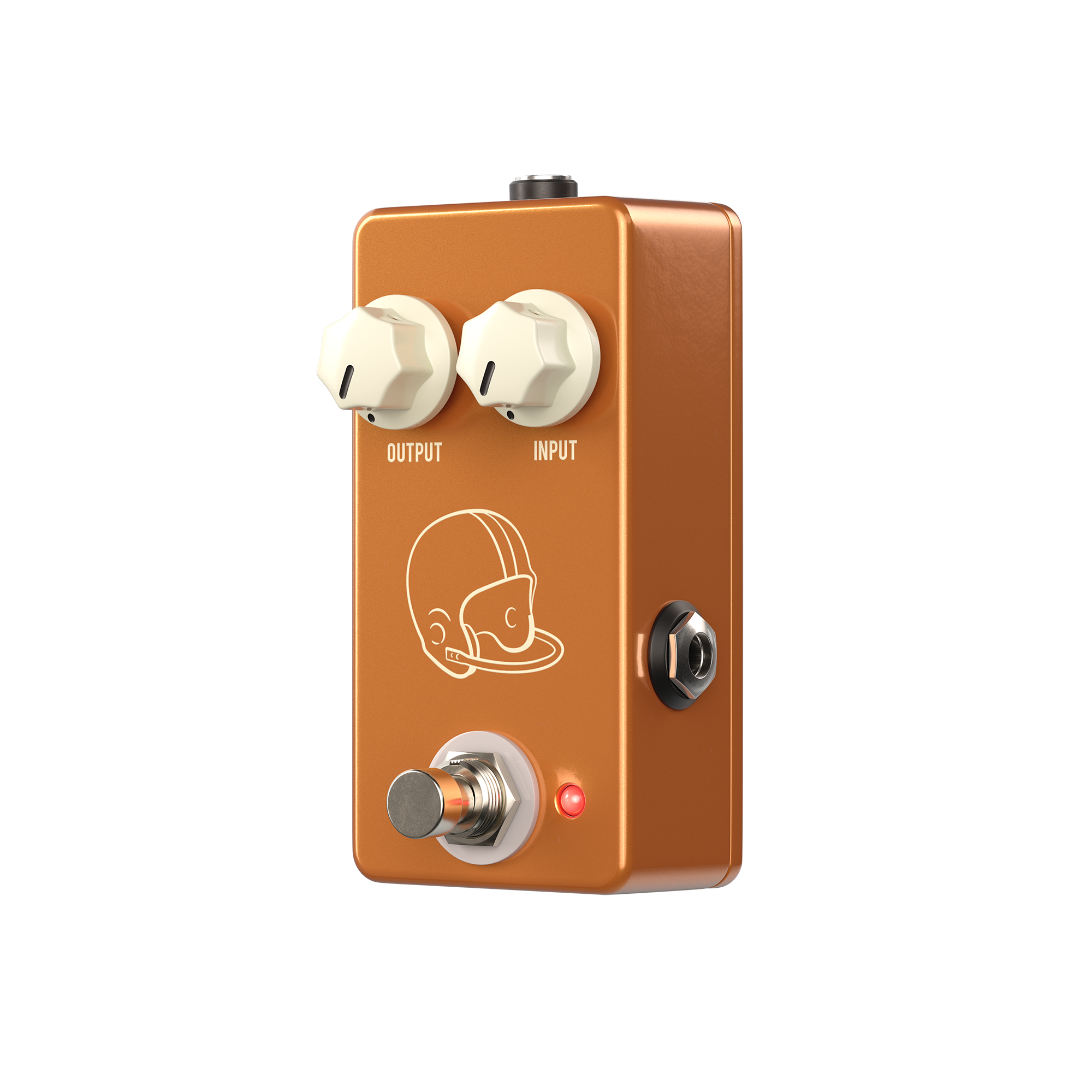
Pedal Type: JFET Preamp / Clean Boost
Controls: Input and Output Knobs
Bypass Layout: True Bypass Switching
Power Requirements: 9VDC Negative Center Only
Current Draw: Low-draw Analog Topology
Dimensions: Standard Compact Enclosure
The JHS Fumble stands as a highly unique utility pedal, born out of an accidental manufacturing drop-in during a previous DIY kit run. Rather than containing a traditional line driver circuit, early units were mistakenly shipped with a highly accurate clone of the rare Dumble BBC-1 preamp framework, which itself traces its lineage back to a vintage 1970s Barcus Berry acoustic instrument preamplifier circuit. Due to high demand from tone purists who favored this specific configuration, the design was migrated into a standalone production chassis. The result is an entirely analog JFET gain stage that delivers the massive size, articulation, and rich note separation found inside multi-thousand-dollar boutique amplification systems.
Unlike conventional booster pedals that merely multiply the incoming signal line linearly, the interface features a highly specialized control matrix. The Output control serves as a master volume pot to manage downstream headroom levels smoothly. The Input control completely reimagines basic gain control; turning the knob fully clockwise lets the signal pass completely un-cut for an ultra-thick, full-bodied presence. Sweeping the control counterclockwise executes simultaneous attenuation across both input gain levels and low-end bass frequencies, shifting the response from a massive, loud push to a highly focused, treble-forward chime without creating thin-content tone anomalies.
Placing the JFET circuit at the absolute front of a complex signal path allows it to serve as an indispensable rig sweetener and line stabilizer. By setting the master Output low and dialing the interactive Input to match the instrument's specific pickup output, the hardware compensates for high-frequency cable loss. This tightens up transient responses across all downstream stompboxes, creating an enhanced tonal baseline that remains clean, clear, and touch-sensitive.
Positioning the booster right before a transparent overdrive pedal—such as a Morning Glory or similar clipping circuit—unlocks a highly articulate stacking configuration that avoids the muddy saturation typical of series gain staging. Rolling back the Input knob to prune excessive low-end frequencies prevents the destination drive's clipping diodes from choking on heavy transients. This provides a focused mid-forward push that acts as an optimal solo profile for complex live performance tracking.
Pedal Type: JFET Preamp / Clean Boost
Controls: Input and Output Knobs
Bypass Layout: True Bypass Switching
Power Requirements: 9VDC Negative Center Only
Current Draw: Low-draw Analog Topology
Dimensions: Standard Compact Enclosure
The JHS Fumble stands as a highly unique utility pedal, born out of an accidental manufacturing drop-in during a previous DIY kit run. Rather than containing a traditional line driver circuit, early units were mistakenly shipped with a highly accurate clone of the rare Dumble BBC-1 preamp framework, which itself traces its lineage back to a vintage 1970s Barcus Berry acoustic instrument preamplifier circuit. Due to high demand from tone purists who favored this specific configuration, the design was migrated into a standalone production chassis. The result is an entirely analog JFET gain stage that delivers the massive size, articulation, and rich note separation found inside multi-thousand-dollar boutique amplification systems.
Unlike conventional booster pedals that merely multiply the incoming signal line linearly, the interface features a highly specialized control matrix. The Output control serves as a master volume pot to manage downstream headroom levels smoothly. The Input control completely reimagines basic gain control; turning the knob fully clockwise lets the signal pass completely un-cut for an ultra-thick, full-bodied presence. Sweeping the control counterclockwise executes simultaneous attenuation across both input gain levels and low-end bass frequencies, shifting the response from a massive, loud push to a highly focused, treble-forward chime without creating thin-content tone anomalies.
Placing the JFET circuit at the absolute front of a complex signal path allows it to serve as an indispensable rig sweetener and line stabilizer. By setting the master Output low and dialing the interactive Input to match the instrument's specific pickup output, the hardware compensates for high-frequency cable loss. This tightens up transient responses across all downstream stompboxes, creating an enhanced tonal baseline that remains clean, clear, and touch-sensitive.
Positioning the booster right before a transparent overdrive pedal—such as a Morning Glory or similar clipping circuit—unlocks a highly articulate stacking configuration that avoids the muddy saturation typical of series gain staging. Rolling back the Input knob to prune excessive low-end frequencies prevents the destination drive's clipping diodes from choking on heavy transients. This provides a focused mid-forward push that acts as an optimal solo profile for complex live performance tracking.