 Image 1 of 4
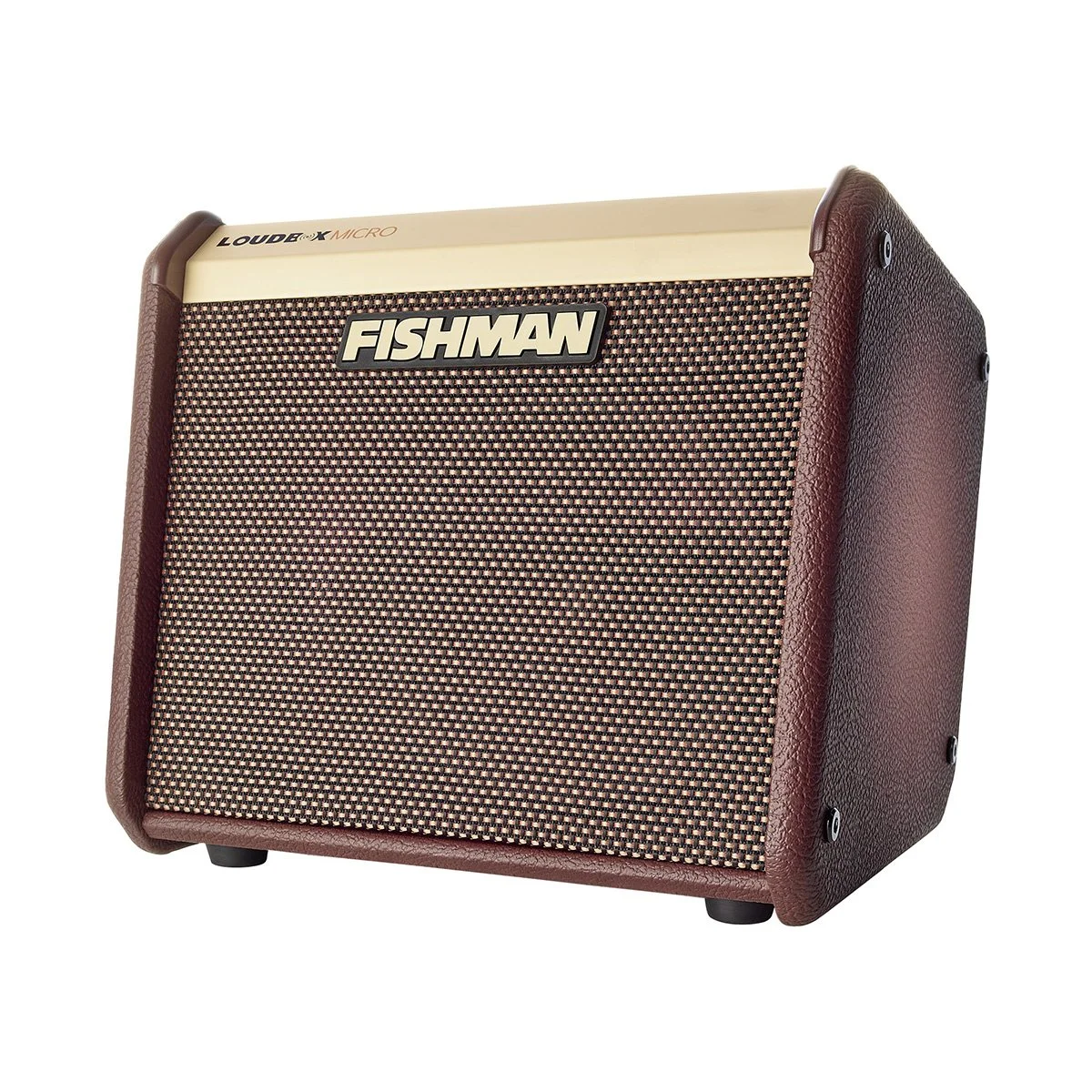 Image 2 of 4
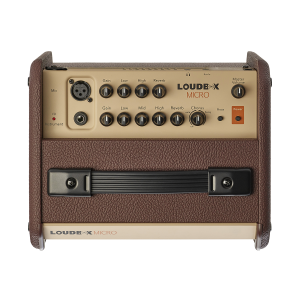 Image 3 of 4
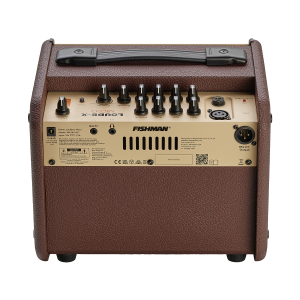 Image 4 of 4
Amplifier Type: Two-Channel Bi-Amplified Acoustic Combo Amplifier
Speaker Configuration: 1 x 5.25" Poly Cone Woofer, 0.8" Soft Dome Tweeter
Output Power: 40 Watts RMS
Channel Interface: Channel 1 (Instrument): Gain, Low, Mid, High, Reverb, Chorus, Phase Switch; Channel 2 (Microphone): Gain, Low, High, Reverb; Master Volume
Cabinet Design: Sealed Enclosure with 10-Degree Baffle Tilt
Power Supply: 24VDC 2.5A External Adapter Included
Dimensions: 9.5” H x 10.4” W x 8.1” D (242 mm H x 264 mm W x 206 mm D)
Weight: 9.1 lbs (4.1 kg)
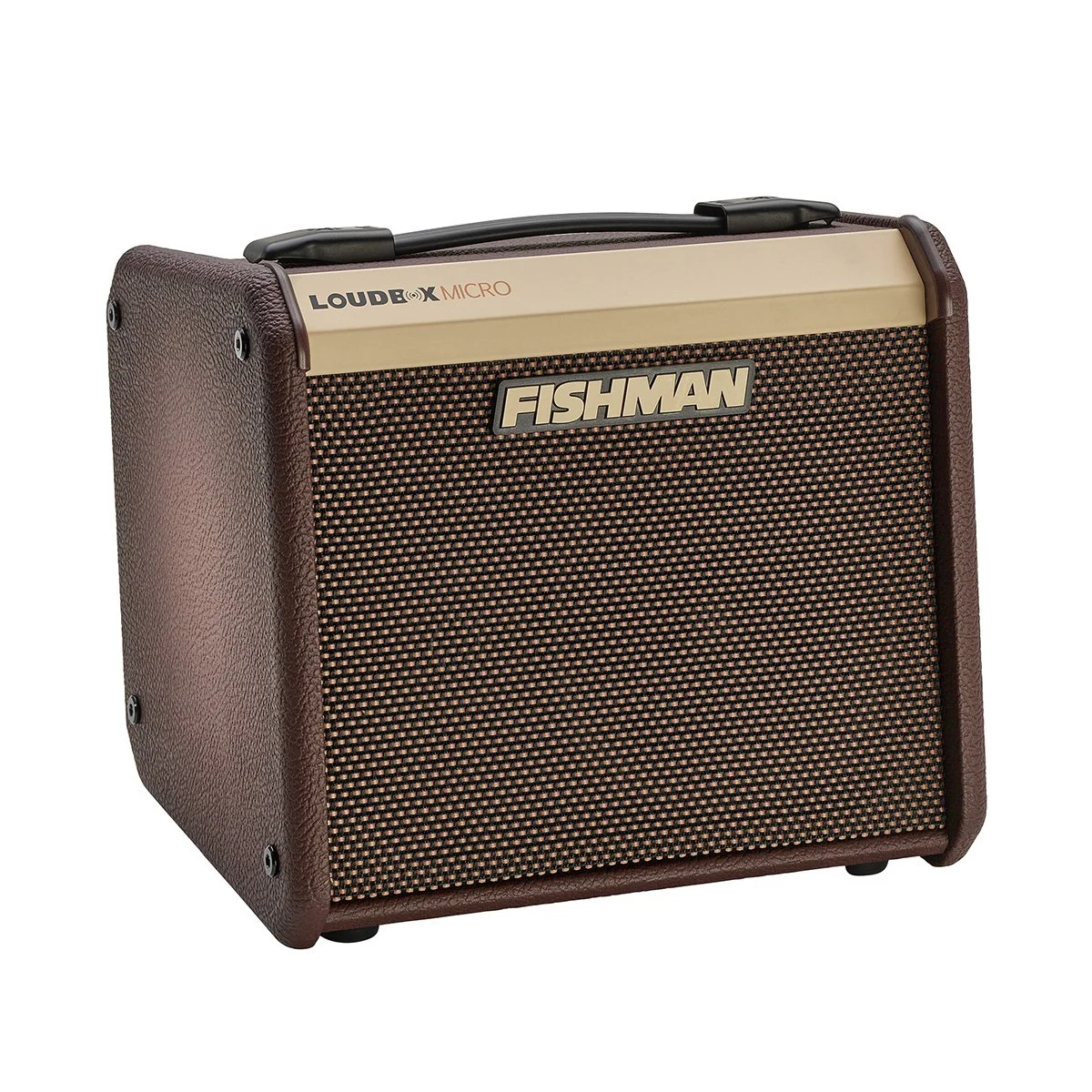
The Fishman Loudbox Micro engineered high-density acoustic reproduction into a miniature enclosure by deploying a sophisticated bi-amplified driver configuration. The architecture splits 40 watts of clean solid-state power between two independent internal amplifiers, directing optimized frequency ranges to a 5.25-inch poly cone woofer and a 0.8-inch soft dome tweeter. This division of labor prevents intermodulation distortion, keeping low-frequency transients round and cohesive while sustaining crisp high-end definition up to 20 kHz. The sealed cabinet design enhances acoustic isolation and physical projection, projecting an uncolored snapshot of the instrument pickup or voice.
The front end of the Loudbox Micro incorporates discrete preamp voicing circuits tailored for specific acoustic transducers and vocal microphones. The instrument channel features a high-impedance 1/4-inch input designed to handle active or passive piezo systems without loading down the signal, alongside a specialized three-band equalizer. The second channel features an isolated XLR input voiced for low-impedance dynamic microphones, managing frequency correction via a musical two-band shelving EQ layout. A master volume control rules the unified output mix, maintaining a low noise floor while driving the output stage to its maximum limit.
To maximize the system for solo live tracking or rehearsal rooms, plug your acoustic guitar into the 1/4-inch input and a dynamic vocal mic into the XLR channel. Position the Master Volume high and introduce input Gain gradually on each channel to capture the absolute highest signal-to-noise ratio from the internal preamps. To compensate for natural acoustic floor reflections and boost player monitoring accuracy, the speaker cabinet features an integrated 10-degree baffle tilt. Engage the mild digital chorus and dial the reverb level to 10 o'clock on the instrument line to widen the stereo field without muddying the vocal delivery.
When stepping onto a larger stage or routing your signal directly into a venue sound console, connect a balanced cable from the rear-panel Mix D.I. output into the house PA snakes. This post-EQ, post-effects balanced line operates with a 600-ohm output impedance that is completely phantom power tolerant, shielding your signal against long cable runs. If high-volume monitors trigger low-end body resonance or sub-harmonic howling from your acoustic soundboard, depress the integrated Phase button on Channel 1. This instantly inverts the polarity of your pickup signal relative to the speakers, cancelling the frequency spike and stopping feedback without destroying your equalization layout.
POWER SAFETY WARNINGS: OPERATE THIS AMPLIFIER ONLY AT THE EXACT VOLTAGE INDICATED ON THE REAR PANEL USING THE INCLUDED AC ADAPTER. DO NOT EXCEED DECLARED VOLTAGE RATINGS AS PERMANENT COMPONENT BLOWOUT MAY OCCUR. THIS DEVICE DOES NOT CONTAIN PROVISIONS FOR PHANTOM POWER (+48V) ON THE XLR INPUT COMPARTMENT; DO NOT ATTEMPT TO PLUG CONDENSER MICROPHONES REQUIRING EXTERNAL POWER DIRECTLY INTO THE PREAMP PORT WITHOUT A SEPARATE EXTERNAL SUPPLY. TO REDUCE RISK OF ELECTRICAL SHOCK OR SYSTEM FIRE, DO NOT EXPOSE THIS EQUIPMENT TO LIQUIDS, MOISTURE, HIGH HUMIDITY, OR WATERFALL RUNOFF. DISASSEMBLING CABINET VOIDS STANDING MANUFACTURER WARRANTY.
Amplifier Type: Two-Channel Bi-Amplified Acoustic Combo Amplifier
Speaker Configuration: 1 x 5.25" Poly Cone Woofer, 0.8" Soft Dome Tweeter
Output Power: 40 Watts RMS
Channel Interface: Channel 1 (Instrument): Gain, Low, Mid, High, Reverb, Chorus, Phase Switch; Channel 2 (Microphone): Gain, Low, High, Reverb; Master Volume
Cabinet Design: Sealed Enclosure with 10-Degree Baffle Tilt
Power Supply: 24VDC 2.5A External Adapter Included
Dimensions: 9.5” H x 10.4” W x 8.1” D (242 mm H x 264 mm W x 206 mm D)
Weight: 9.1 lbs (4.1 kg)
The Fishman Loudbox Micro engineered high-density acoustic reproduction into a miniature enclosure by deploying a sophisticated bi-amplified driver configuration. The architecture splits 40 watts of clean solid-state power between two independent internal amplifiers, directing optimized frequency ranges to a 5.25-inch poly cone woofer and a 0.8-inch soft dome tweeter. This division of labor prevents intermodulation distortion, keeping low-frequency transients round and cohesive while sustaining crisp high-end definition up to 20 kHz. The sealed cabinet design enhances acoustic isolation and physical projection, projecting an uncolored snapshot of the instrument pickup or voice.
The front end of the Loudbox Micro incorporates discrete preamp voicing circuits tailored for specific acoustic transducers and vocal microphones. The instrument channel features a high-impedance 1/4-inch input designed to handle active or passive piezo systems without loading down the signal, alongside a specialized three-band equalizer. The second channel features an isolated XLR input voiced for low-impedance dynamic microphones, managing frequency correction via a musical two-band shelving EQ layout. A master volume control rules the unified output mix, maintaining a low noise floor while driving the output stage to its maximum limit.
To maximize the system for solo live tracking or rehearsal rooms, plug your acoustic guitar into the 1/4-inch input and a dynamic vocal mic into the XLR channel. Position the Master Volume high and introduce input Gain gradually on each channel to capture the absolute highest signal-to-noise ratio from the internal preamps. To compensate for natural acoustic floor reflections and boost player monitoring accuracy, the speaker cabinet features an integrated 10-degree baffle tilt. Engage the mild digital chorus and dial the reverb level to 10 o'clock on the instrument line to widen the stereo field without muddying the vocal delivery.
When stepping onto a larger stage or routing your signal directly into a venue sound console, connect a balanced cable from the rear-panel Mix D.I. output into the house PA snakes. This post-EQ, post-effects balanced line operates with a 600-ohm output impedance that is completely phantom power tolerant, shielding your signal against long cable runs. If high-volume monitors trigger low-end body resonance or sub-harmonic howling from your acoustic soundboard, depress the integrated Phase button on Channel 1. This instantly inverts the polarity of your pickup signal relative to the speakers, cancelling the frequency spike and stopping feedback without destroying your equalization layout.
POWER SAFETY WARNINGS: OPERATE THIS AMPLIFIER ONLY AT THE EXACT VOLTAGE INDICATED ON THE REAR PANEL USING THE INCLUDED AC ADAPTER. DO NOT EXCEED DECLARED VOLTAGE RATINGS AS PERMANENT COMPONENT BLOWOUT MAY OCCUR. THIS DEVICE DOES NOT CONTAIN PROVISIONS FOR PHANTOM POWER (+48V) ON THE XLR INPUT COMPARTMENT; DO NOT ATTEMPT TO PLUG CONDENSER MICROPHONES REQUIRING EXTERNAL POWER DIRECTLY INTO THE PREAMP PORT WITHOUT A SEPARATE EXTERNAL SUPPLY. TO REDUCE RISK OF ELECTRICAL SHOCK OR SYSTEM FIRE, DO NOT EXPOSE THIS EQUIPMENT TO LIQUIDS, MOISTURE, HIGH HUMIDITY, OR WATERFALL RUNOFF. DISASSEMBLING CABINET VOIDS STANDING MANUFACTURER WARRANTY.